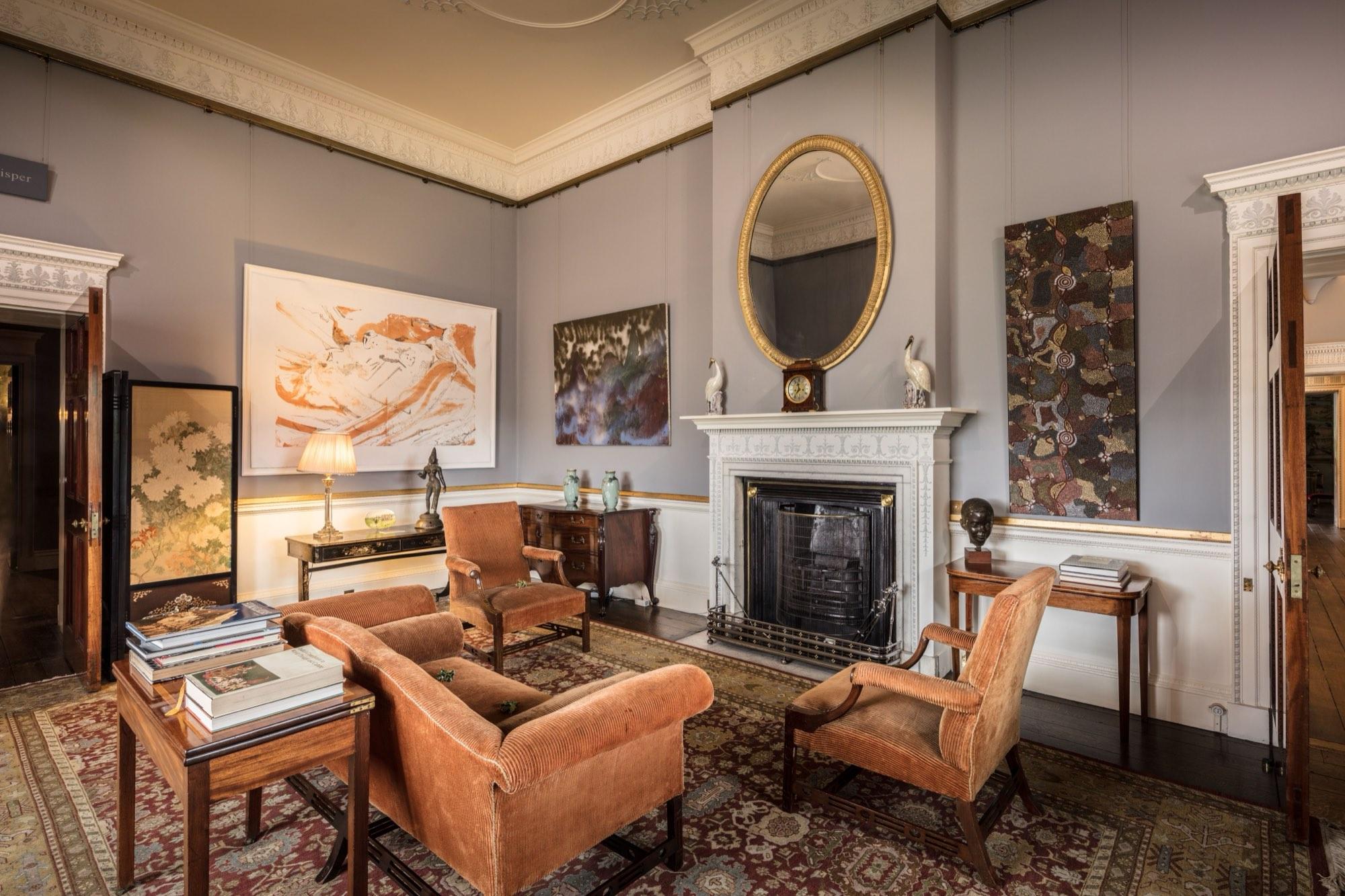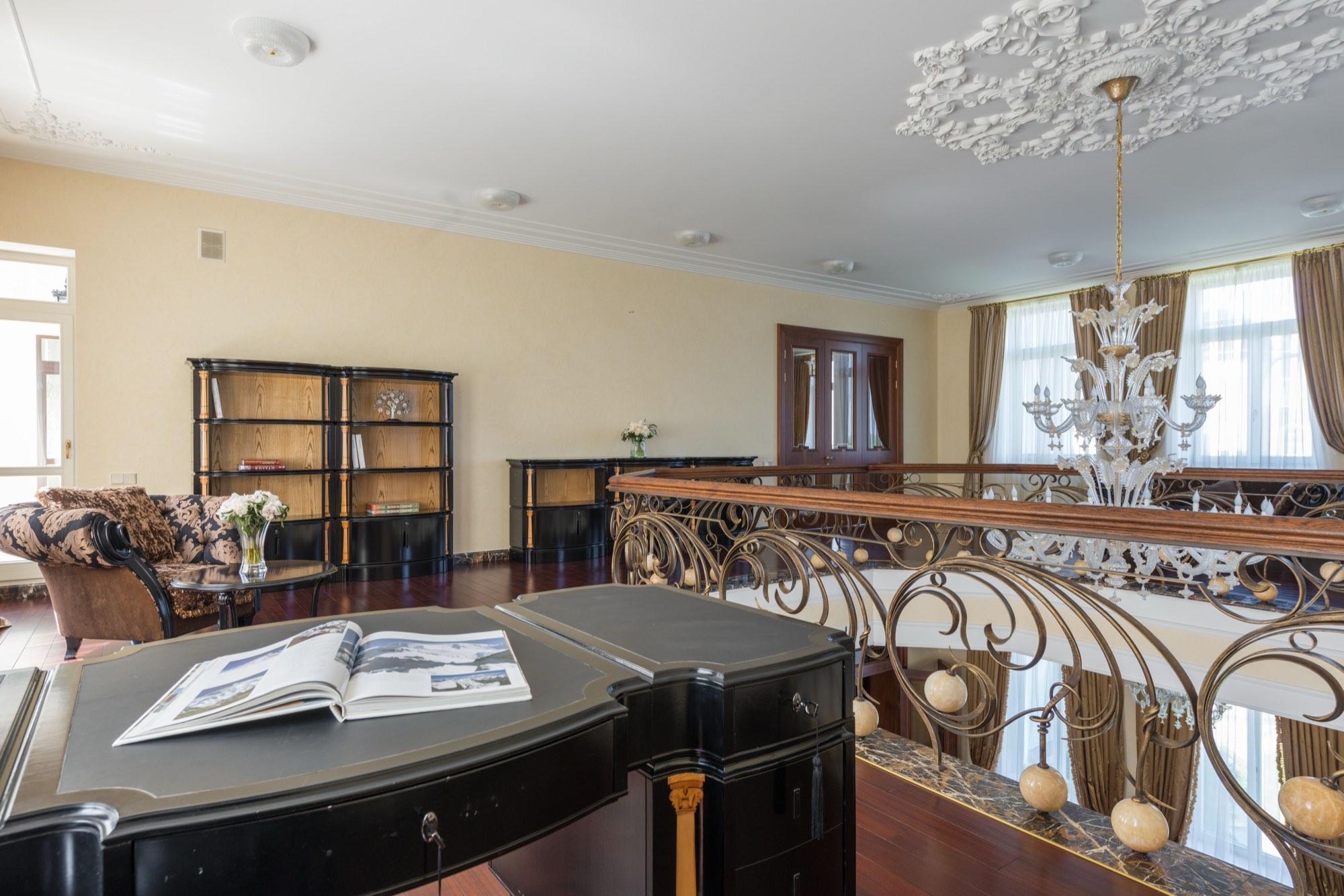
Trends in luxury interiors move more slowly than fashion, and that is by design. The whole point of commissioning bespoke, well-made pieces is that they should outlast whatever was on the cover of a design magazine last season. At ZEBA, we are not trend-followers. But we do pay close attention to what is shifting in the rooms we are asked to create across England and Scotland, and a few directions are coming up consistently right now.
Texture Is Doing More Work Than Colour
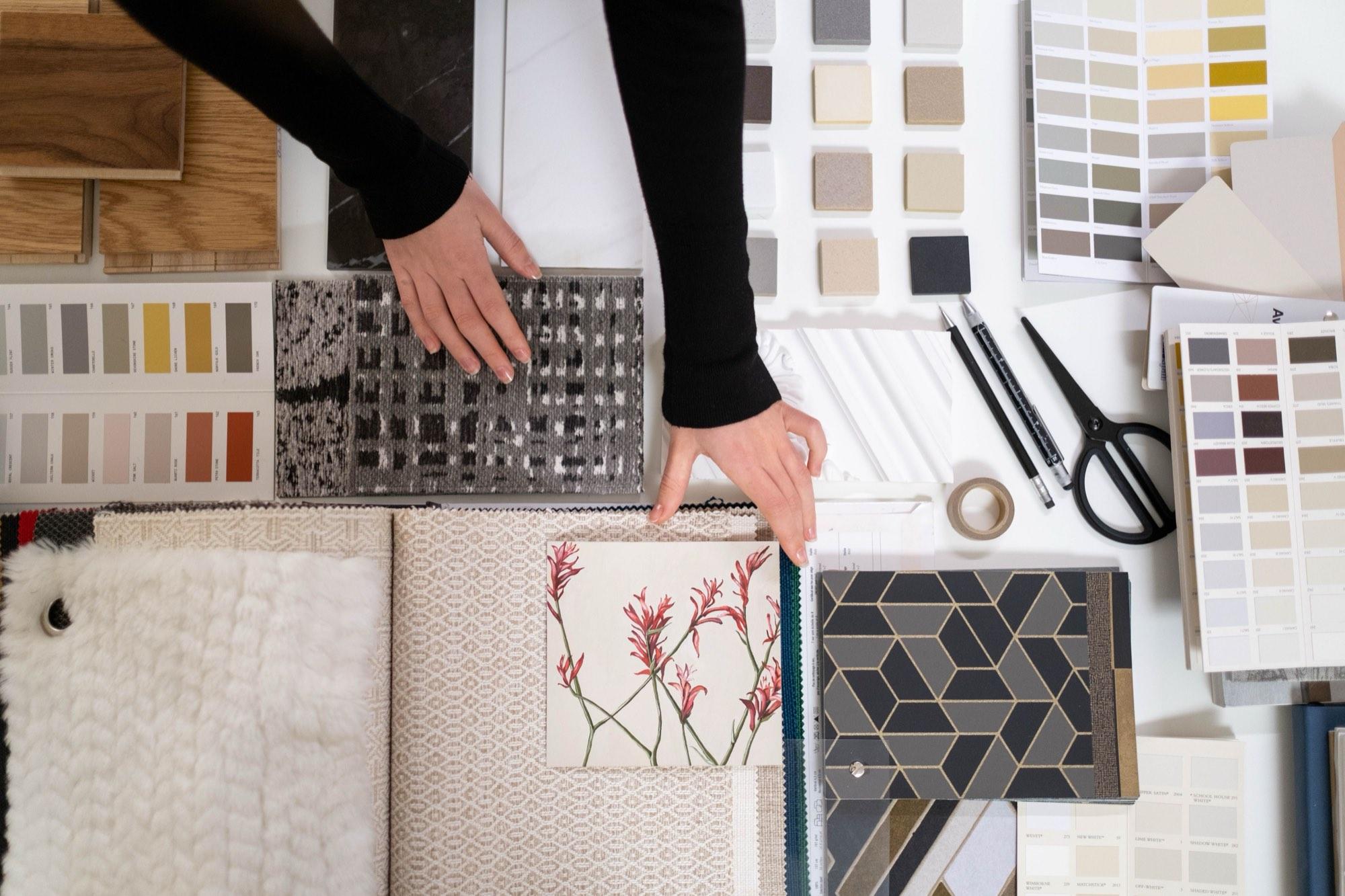
The rooms that clients bring to us as reference images at the moment are notably quieter in terms of colour. Warm stone, pale linen, aged oak, natural plaster finishes. But within that restraint, there is a significant amount of layering happening, and the layering is all about texture.
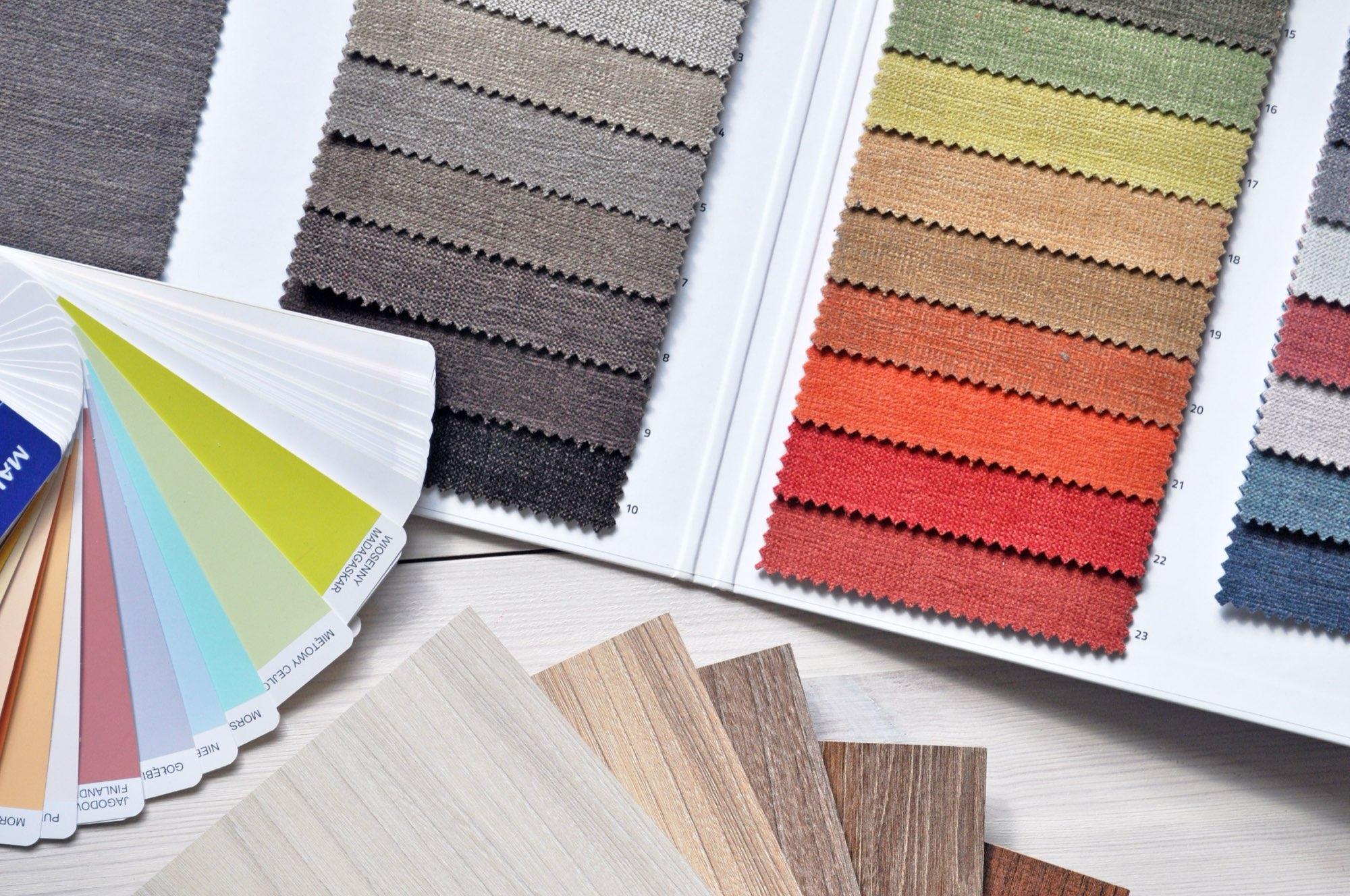
Bouclé upholstery alongside a handwoven rug alongside a velvet cushion alongside a linen curtain. Materials that are individually quiet but collectively rich. This is harder to get right than a bold colour palette, because the interest has to come from the quality and weight of each material rather than from contrast. It rewards exactly the kind of fabric library consultation that we encourage every client to do in person, because these are differences you can only feel.
The Return of Proper Window Treatments
For a number of years, we saw an appetite for minimal window dressing: roller blinds, simple panels, a clean line. That is shifting. Clients are asking for curtains with proper headings again, for interlined weight, for a puddle or a just-breaking hem, for pelmets and valances in rooms where the proportions call for them.
This is partly a practical response to energy costs: heavy, interlined curtains make a genuine difference to heat retention in older UK properties. In Scotland particularly, where winters are more demanding, clients in Edinburgh New Town flats and Highland properties are asking for window treatments that do thermal work as well as aesthetic work. But it is also a matter of how rooms photograph now that interiors are so widely shared on social platforms. A beautifully dressed window is one of the fastest ways to shift the perceived quality of a space.
Bespoke Furniture as a Long-Term Asset
The conversation we are having more often is about investment rather than decoration. Clients commissioning a sofa or a dining chair from us are increasingly framing it as a 25-year decision rather than a 5-year one. They want to understand the frame construction, the filling specification, the fabric grade, the maintenance programme.
This is a healthy shift, and it suits how we work. We have always built furniture to last, because that is what bespoke production requires you to do. A piece made to a client's exact specification, in materials chosen for their intended environment, should not need replacing within a decade. Several of our earliest residential clients are still living with ZEBA furniture they commissioned in the early 2000s.
Commercial Clients Are Raising Their Specification
Across our hotel, restaurant, and hospitality work in England and Scotland, the specification conversations are getting more sophisticated. Clients are asking about martindale rub counts, flame retardancy standards, and stain-resistance treatments not as afterthoughts but as opening requirements. This reflects experience: operators who have seen contract-grade furniture fail before its design life are now asking the right questions at the start of a project rather than being disappointed at the end.
It is one of the reasons we maintain a dedicated commercial fabric range alongside our residential library, because the performance requirements genuinely differ, and the distinction matters.
What This Means in Practice
None of these directions require a wholesale change of approach. They reinforce what good bespoke interior design has always been: knowing your materials, understanding the space, and making decisions that will hold their quality and meaning for a long time.
If you are planning a project, residential or commercial, anywhere in England or Scotland, and want to talk through what is possible, our studio in Shipley is open for consultations. You can also reach us at info@zebainteriors.co.uk.